

 Canva
Canva
If you’re used to reaching for a bottle of dish soap, you might be surprised to hear that plenty of people are now washing their dishes with a plain old bar of soap, the same kind you’d find in your shower.
People on Reddit have been raving about using 100% coconut oil bar soap for dishes, saying it’s their go-to. Others claim that it lasts longer, saves money, and helps reduce plastic waste. But can a humble bar of soap really take the place of your usual liquid dish soap?
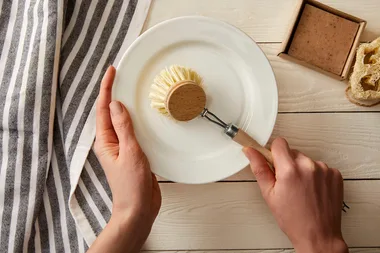

If using a regular bar of soap sounds a bit odd, don’t worry, there are soap bars made just for washing dishes.
What is solid dish soap?
Solid dish soap is exactly what it sounds like: a bar of soap made for washing dishes, not just your hands. These bars are designed to handle grease, food bits, and even stubborn baked-on messes.
Most solid dish soaps are made from plant-based oils, like coconut oil, mixed with lye. This combo makes a tough cleaner that’s still biodegradable. Some bars are scented with essential oils, while others opt for fragrance-free formulas to accommodate those with sensitive skin.
Can you really wash dishes with bar soap?
Redditors in r/ZeroWaste and r/Frugal agree that dish soap bars are effective, although some admit it takes a little adjustment.
One user wrote: “100% coconut oil with no superfat is the go-to for dishes. Cuts grease like a champ.”
Another shared: “I ran out of Dawn and just started using a bar of hand soap. It works fine, just needs a good rinse.”
So, while not every bar of soap is going to work the same, a good dish soap bar can be a practical swap for liquid dish soap, especially if you’re trying to cut back on plastic.
How does bar soap clean dishes?
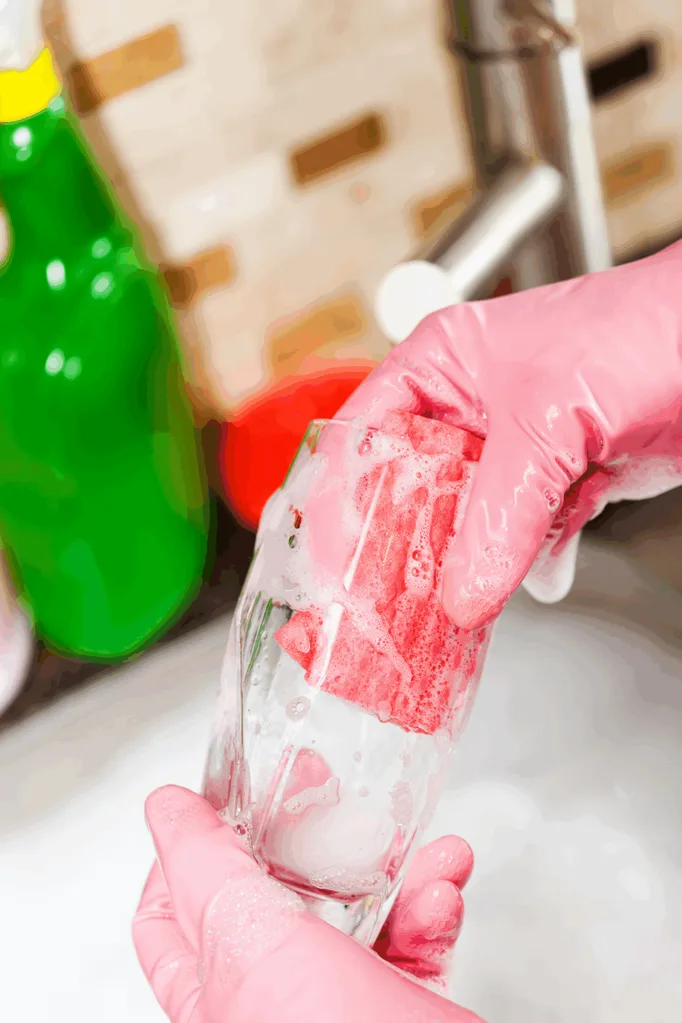
Bar soap actually works a lot like liquid soap. Both help water break up grease and lift food off your plates.
The main difference is that you rub the soap directly onto your sponge or brush, rather than squirting liquid soap into a sink full of water.
How to wash dishes with bar soap (step-by-step)
Using bar soap in the kitchen is straightforward once you get used to it. Here’s a simple routine:
1. Choose the right soap bar
While you can use any do-it-all bar, it’s a good idea to choose one made for washing dishes, like this dishwashing block.
2. Set up your soap dish
Use a soap dish with drainage so your bar doesn’t sit in water and turn mushy. Some people place the bar on a raised rack or directly on a stainless-steel scrubber, which helps it dry between uses.
3. Load your tool
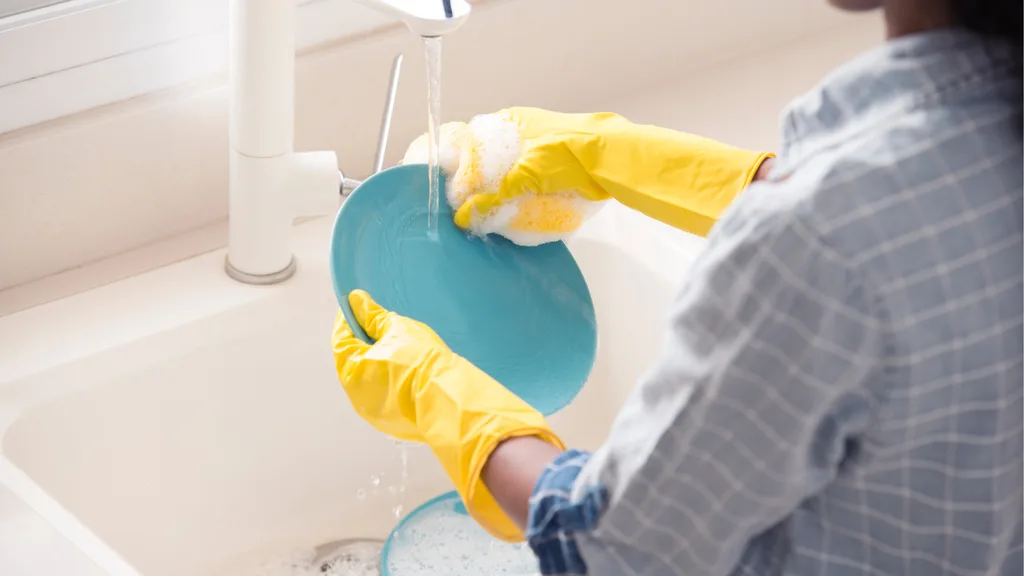
Rub your wet sponge, dish brush, or cloth directly onto the soap bar until it feels sudsy. Unlike liquid soap, you don’t need a big bubble show—solid dish soaps often clean well without mountains of foam.
4. Scrub your dishes
Wash each dish individually, scrubbing grease and food residue. For pots and pans, a stiff dish brush usually works best.
5. Rinse thoroughly
Rinse everything thoroughly with hot or warm water, especially if you’re using a regular bar of hand soap instead of one specifically designed for dishes.
6. Let the bar dry
Place your soap bar back in its dish to air-dry before the next use.
Advantages of dish soap bars
Switching from liquid soap to a solid bar has several benefits. Bar soaps usually come wrapped in paper or cardboard, not plastic bottles, making them a more eco-friendly choice with less plastic waste heading to landfills.
While a dish soap bar might cost more upfront, it often lasts longer than liquid alternatives.
One bar takes up significantly less space under the sink than a collection of bottles, and many of them can also serve as all-purpose cleaners for sinks, counters, or even laundry stains.
Unscented, plant-based bars are usually gentler on your hands than regular dish soap, making them a practical and sustainable alternative for everyday dishes.
Things to consider before switching
Solid dish soap has a lot going for it, but there are a few things to keep in mind. If you have hard water, soap can sometimes leave a bit of residue behind. In that case, a synthetic detergent-based bar (sometimes called a syndet bar) might be a better option.
Regular soaps can struggle with really greasy pans, so I’d recommend a coconut oil-based bar if you need something heavy-duty.
Storage is another factor. Without proper drainage, bars can become soft and messy. So a soap dish that allows water to drain is essential.
Some eco-friendly bars can cost over $10 each, but they usually last long enough to make up for the price.
And don’t forget about fragrance. Bars with essential oils can smell nice, but strong scents might stick to your dishes. If you’re sensitive to smells, unscented bars are probably your best bet.

Related stories

Native ad body.

Native ad body.




Native ad body.